






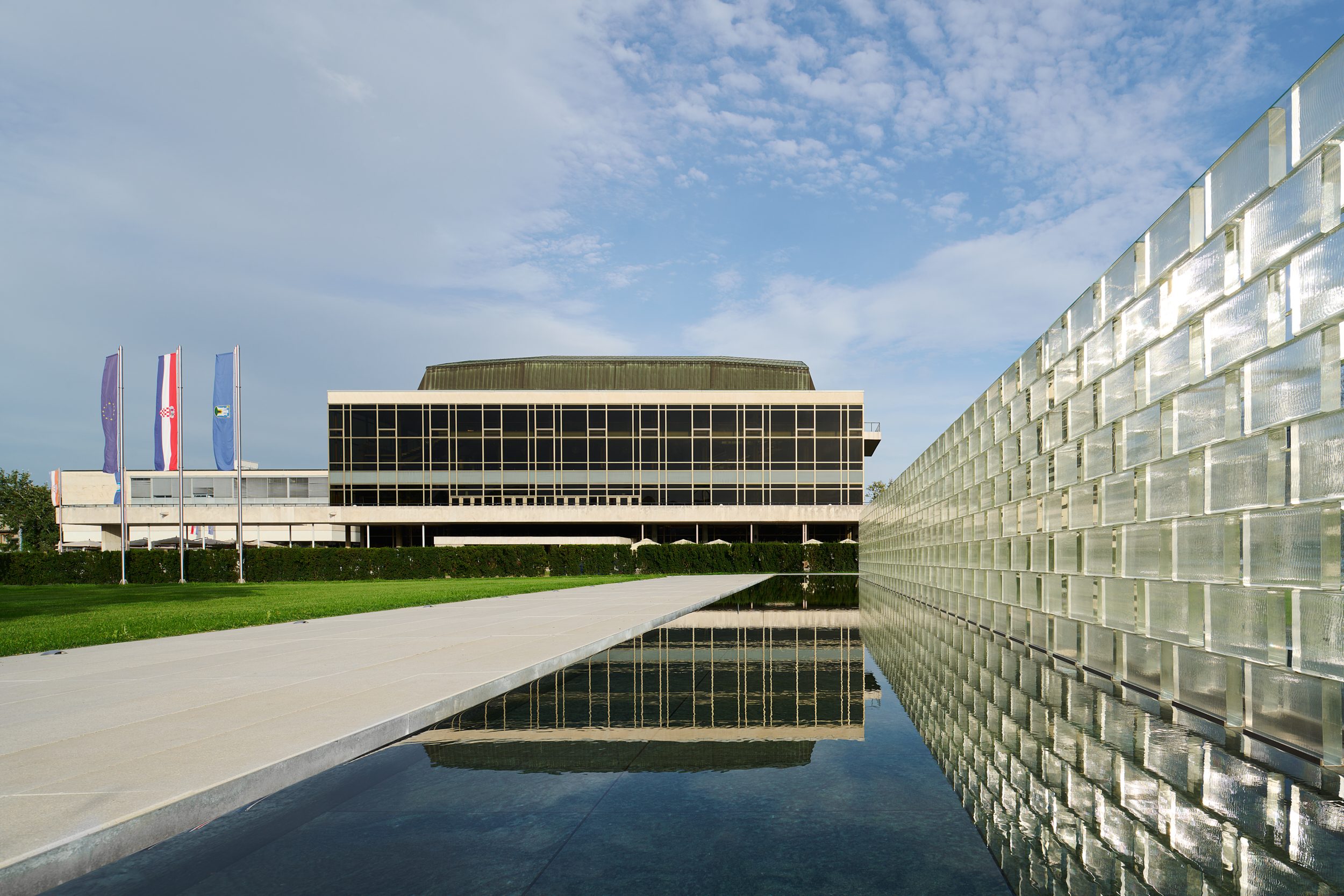
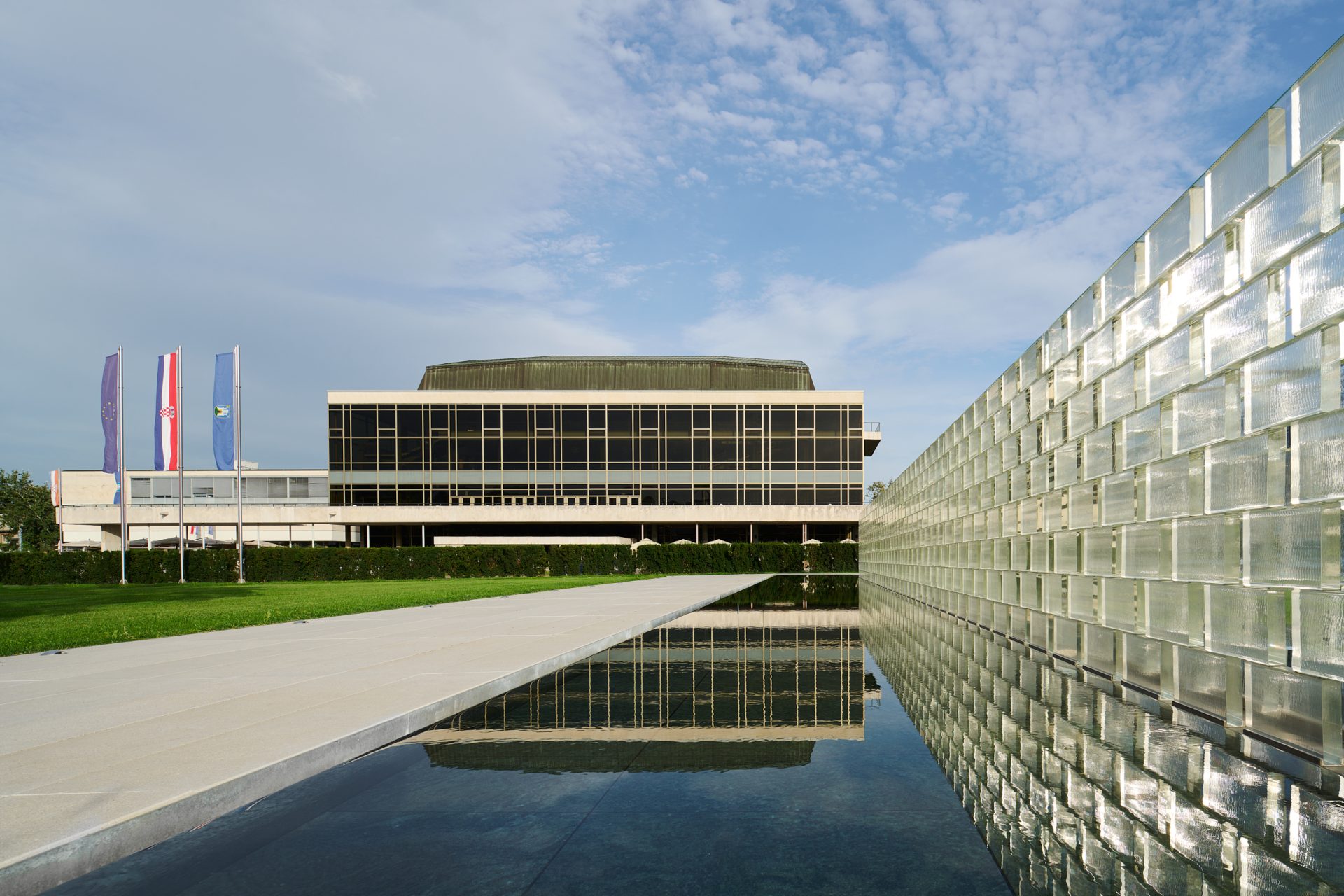
Croatian Music Information Centre of the Vatroslav Lisinski Concert Hall
Croatia

Member since:
1998
Website
CEO
Jelena Vuković
Address
Trg Stjepana Radića 4, 10000 Zagreb,
Croatia
Services

Introduction
About
The Croatian Music Information Centre was founded in 1971 by a group of composers and cultural professionals as a non-profit organisation dedicated to documenting and promoting Croatian music nationally and internationally. Its work is primarily supported by the Ministry of Culture and Media of the Republic of Croatia and the City of Zagreb.
Since 1973, MIC operated within the Zagreb Concert Management, becoming part of the Vatroslav Lisinski Concert Hall after the 2017 merger of the two institutions. As of November 2024, the Croatian Music Information Centre functions as an independent organisational unit within the Vatroslav Lisinski Concert Hall, with a professional team consisting of Jelena Vuković (Head), Davor Merkaš (Editor Advisor), Josip Berend (Editor Advisor), and Ivor Zidarić (Marketing Advisor).
MIC’s mission encompasses the preservation, development and dissemination of Croatian musical heritage. Its services support musicians, musicologists, arts academies, cultural institutions, performers, conductors, researchers and all those seeking accurate and accessible information about Croatian music.
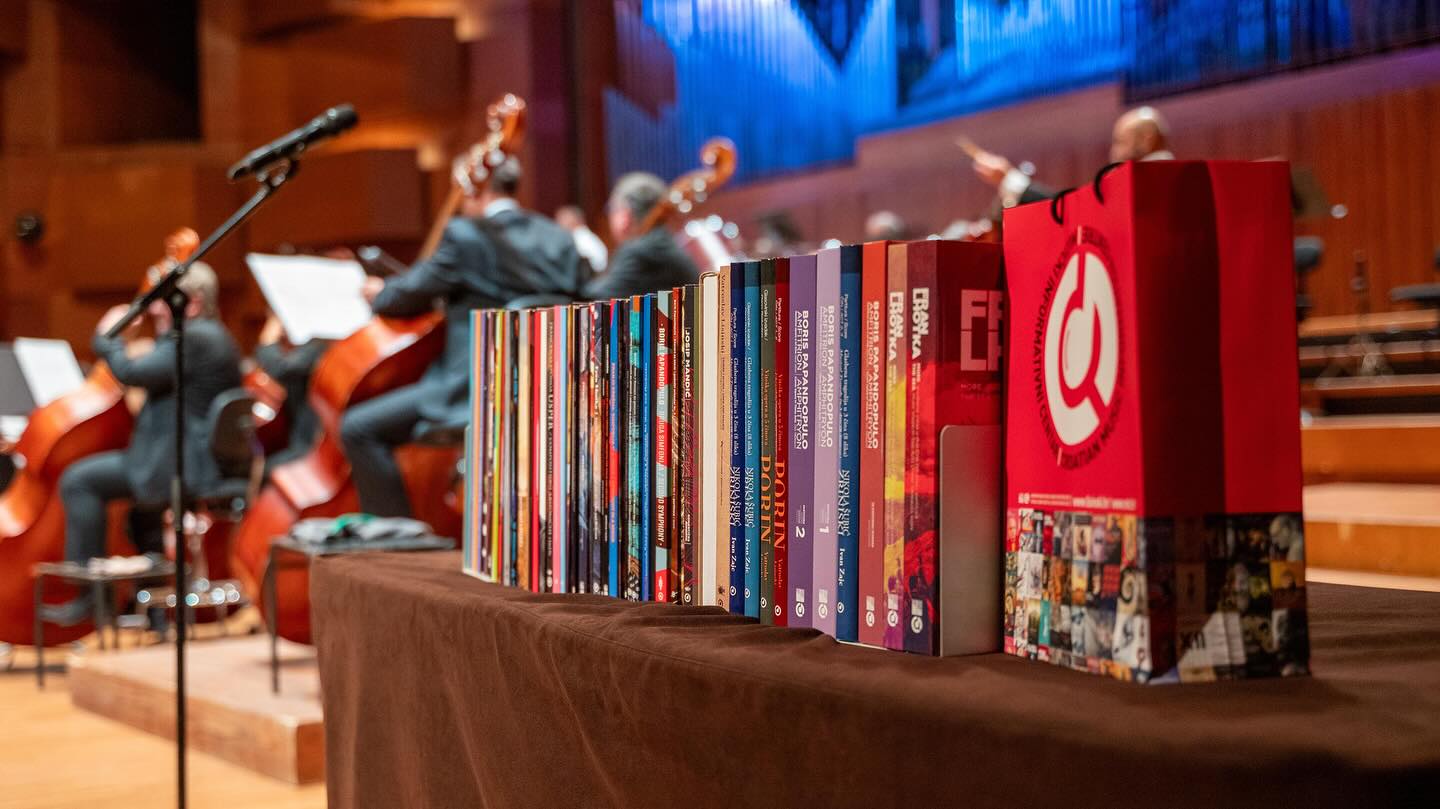
Editions of the Croation MIC
Services
The Croatian Music Information Centre of the Vatroslav Lisinski Concert Hall provides publishing, documentation, research, digitisation, editorial and promotional services dedicated to Croatian music and musical heritage. Its users include composers, performers, researchers, educators, publishers, cultural institutions and the wider public in Croatia and abroad.
- Publishing
Founded in 1971, MIC has maintained a substantial publishing programme since 1973. Its catalogue includes sheet music, musicological studies, composer monographs, books on Croatian music and sound recordings. In cooperation with Jugoton, MIC published more than one hundred gramophone records and cassettes featuring Croatian composers and performers.
Today, sheet music publishing is one of MIC’s principal activities. MIC researches, edits and publishes works that were previously unavailable, unpublished or preserved only in manuscript form. This work includes source research, transcription, editorial preparation, music engraving and the production of scores and performing parts.
In 2017, MIC launched the scholarly series Tomaso Cecchini – Opera omnia. The series will comprise nine volumes, with the eighth scheduled for publication in 2026 and the final volume in 2027. - Sale and Rental of Publications and Performance Materials
MIC distributes sheet music, books, musicological publications and recordings through its webshop and direct professional communication. It also rents orchestral and other performance materials, helping performers, conductors, ensembles, festivals and concert organisers access Croatian repertoire. - Digitisation and Digital Preservation
MIC systematically digitises Croatian musical heritage, particularly unique manuscripts and other valuable sources. The process includes documentation, scanning or photography, archival processing, metadata creation and preparation for preservation and research.
Digitised materials are currently available upon request, depending on their legal status, ownership and sensitivity. MIC is developing a dedicated digital archive that will support advanced searching and different access levels.
The Centre currently holds more than 100,000 archival units ready for metadata processing. Approximately 20,000 fully processed units will be made available in the first phase of the new system.
MIC cooperates on digitisation projects with major Croatian heritage and educational institutions, including the Croatian Academy of Sciences and Arts, the University of Zagreb Academy of Music, the Croatian Music Institute, the Croatian State Archives and the National and University Library in Zagreb. - Music Documentation, Research and the Quercus Database
Quercus – the Central Information System for Croatian Musical Life – documents composers, performers, ensembles, institutions, compositions, editions, recordings, literature, events and performances.
Established in the late 1990s, the database was founded by musicologist Ivan Živanović. Its structure and content were further developed by Jelena Vuković, with software development by Maja Šojat-Bikić. MIC is currently renewing and expanding Quercus through musicological research, source verification and metadata processing.
MIC also researches Croatian composers and their oeuvres by locating sources, preparing catalogues of works, documenting performance histories, comparing different versions and compiling bibliographical and discographic information. - Music Information and Reference Services
MIC responds to enquiries concerning Croatian composers, works, performers, institutions, editions, recordings and archival sources. It helps users locate biographical and bibliographical information, catalogues of works, sheet music, performance materials and relevant professional contacts.
These services support performers preparing Croatian repertoire, researchers and students, cultural institutions developing programmes, and publishers or recording producers seeking reliable information and source materials. - Editorial and Content Services
MIC’s editors provide musicological and editorial services for the Vatroslav Lisinski Concert Hall and its partners. Their work includes research, fact-checking, programme notes, biographies, concert booklets, season publications, festival catalogues, educational materials and content for print and digital channels. - Promotion, Exhibitions and Public Programmes
MIC promotes Croatian composers, works and editions through publication presentations, exhibitions, lectures, panels, festivals, fairs and professional gatherings. It cooperates with orchestras, ensembles, educational institutions and cultural organisations and supports new performances and recordings by providing reliable scores and performing materials. - Professional and International Cooperation
MIC works with composers, performers, researchers, publishers, orchestras, festivals, universities, archives, libraries and museums on publishing, research, digitisation, exhibitions and other projects related to Croatian music.
MIC has been a member of the International Association of Music Information Centres – IAMIC – since 1998. From 2001 to 2005, it coordinated the IAMIC Annual List of Works and later participated in the EU-supported MINSTREL project.
Through international networks, conferences, fairs and collaborative projects, MIC exchanges professional knowledge and promotes Croatian music and musical heritage worldwide.
Have a look at the MIC website to view all information they have to offer about Croatian music life.
Visit the MIC website

Recent Publications
This is a selection of recent publications
- Anđelko Klobučar: The Ballads of Petrica Kerempuh — for mixed choir and orchestra
- Anđelko Klobučar: The Ballads of Petrica Kerempuh — for mixed choir and two pianos, piano reduction
- Ivana Lang: The Solace of Her Hair, Op. 4 and Op. 90 — for voice and piano, including the piano reduction of the concert aria
- Ivana Lang: The Solace of Her Hair, Op. 90 — concert aria for voice and orchestra
- Josip Štolcer Slavenski: Religiophony (Symphony of the Orient) — for soloists, choir and symphony orchestra
- Miljenko Prohaska: Selected Works for String Quartet
- Ivo Malec: A Little Baroque Study — for string ensemble
- Dora Pejačević: Overture, Op. 49a and Op. 49b — for piano two hands and piano four hands
- Tomaso Cecchini: Cinque messe a due voci et vinti due motetti a voce sola con otto sonate per gl’istrumenti (1628) — Opera omnia
Insights into our work
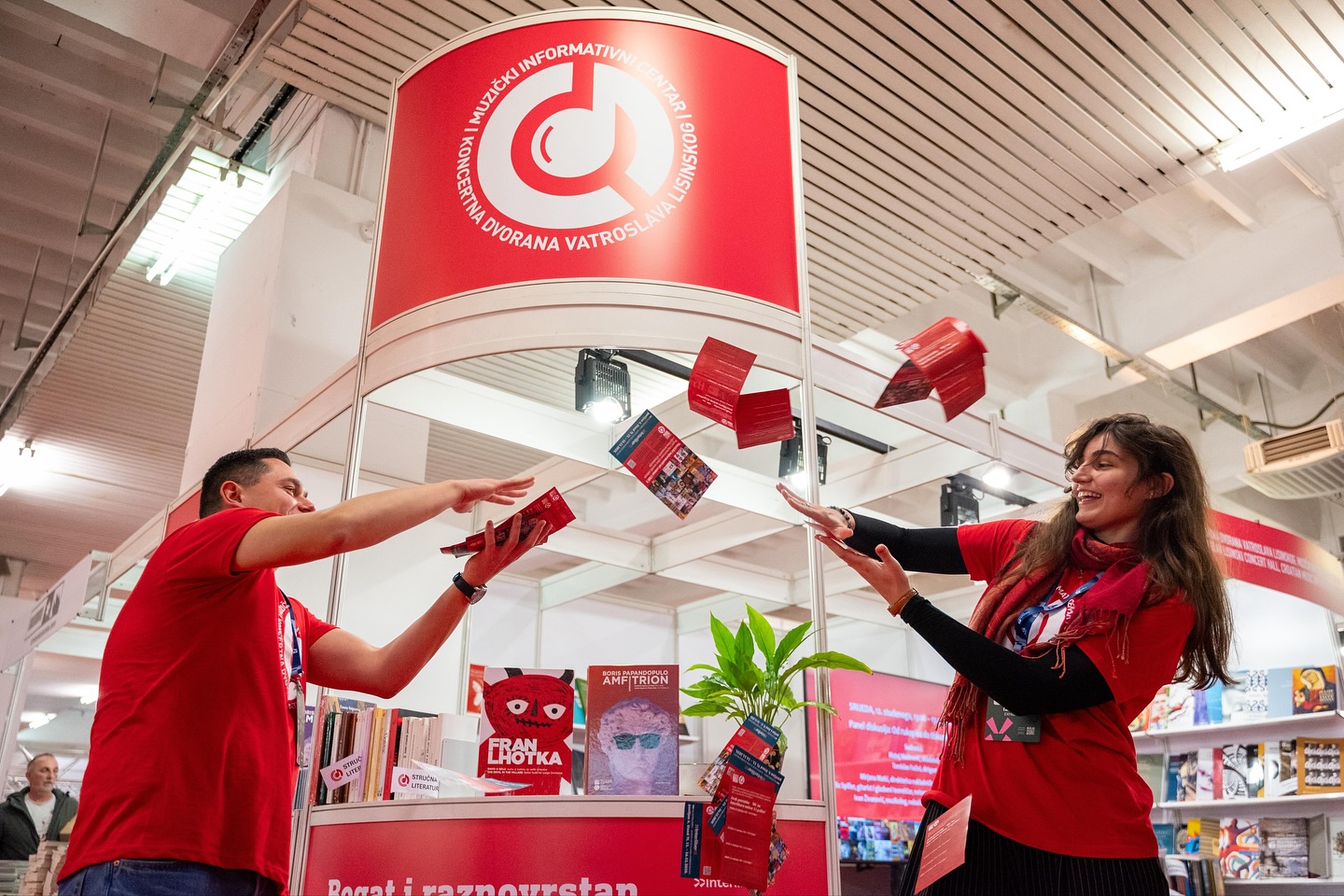
Croatian MIC at the InterliberFair 2025, Photo: Croatian MIC
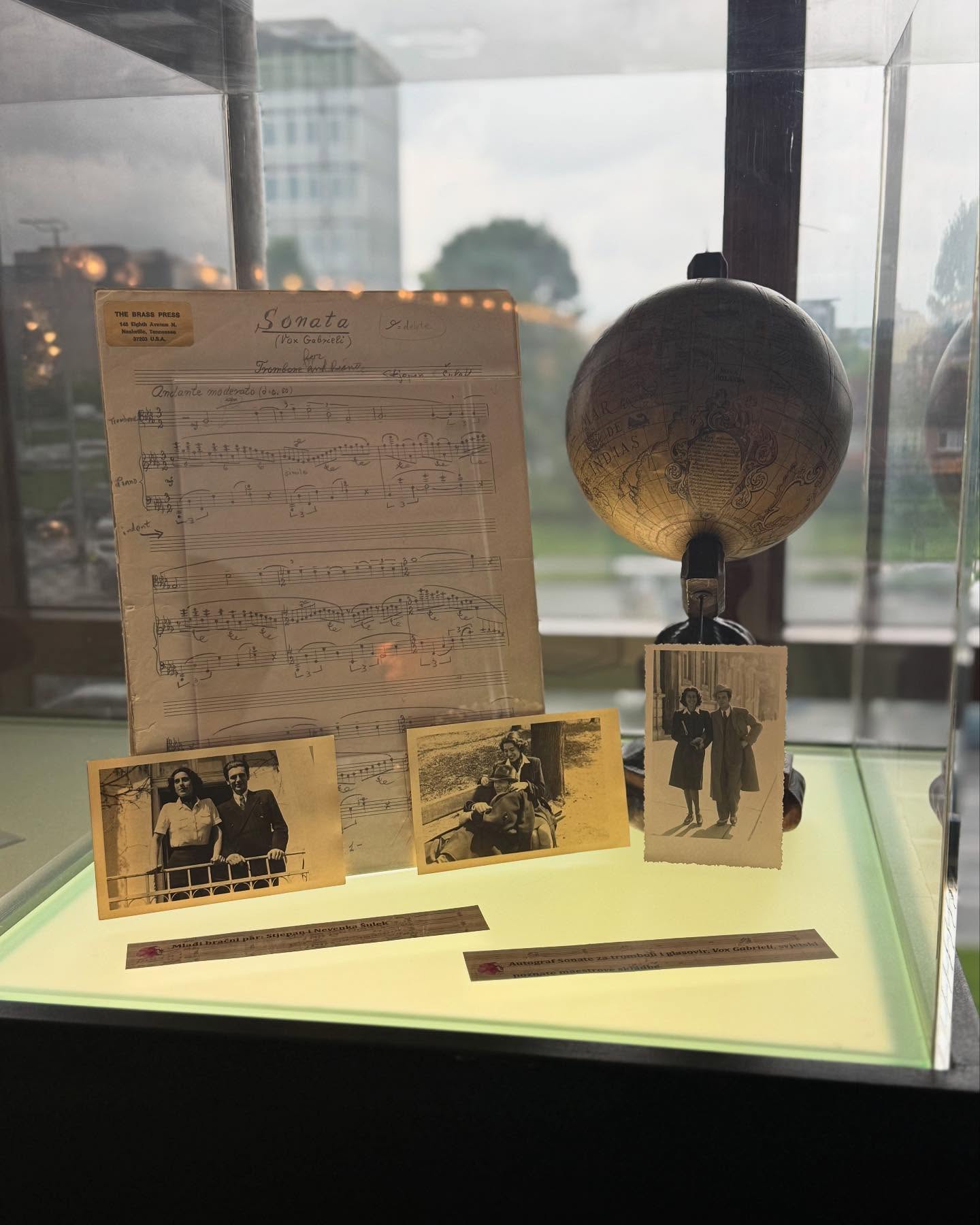
Croatian MIC – exebition sample, photo: Croatian MIC
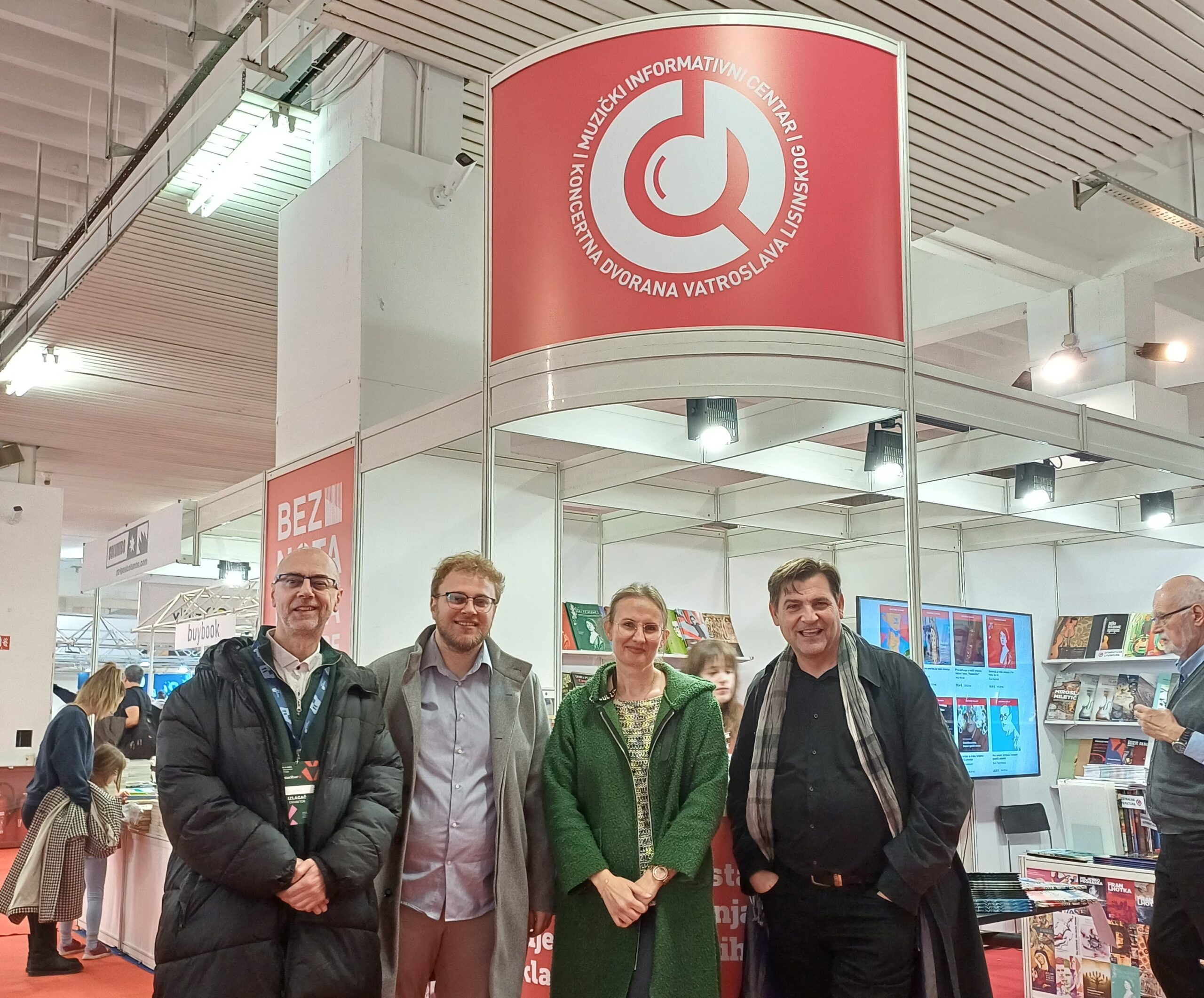
Croation MIC Team, photo: Croatian MIC

Interview
Jelena Vuković
Croatian Music Information Centre – Head
Jelena Vuković – Head of the Croatian Music Information Centre
For readers outside Croatia: How is musical life organised and structured?
Croatia has a diverse musical ecosystem combining publicly funded institutions, independent organisations, professional associations, educational institutions, public broadcasters, festivals, ensembles, freelance musicians and a strong network of amateur music-making.
At the national and municipal levels, professional musical life is supported by the Ministry of Culture and Media, cities, counties and other public bodies. Major publicly funded institutions include national theatres with opera and ballet companies, concert halls, symphony and chamber orchestras, public broadcasting ensembles, cultural centres and heritage institutions. Zagreb is the country’s largest musical centre, but significant professional activity also takes place in cities such as Split, Rijeka, Osijek, Dubrovnik, Varaždin, Zadar and Pula.
Higher music education is provided primarily by university-level arts academies, while a nationwide system of elementary and secondary music schools plays an important role in the education of young musicians. Libraries, archives, museums and research institutions preserve musical sources and support scholarly work.
Professional associations represent composers, performers, musicologists, educators and other music professionals. The Croatian Composers’ Society is one of the principal organisations representing composers, music writers, musicologists and copyright holders and is also active in publishing, rights management, festivals and the promotion of new music.
Alongside established public institutions, Croatia has an active independent sector comprising festivals, artistic organisations, associations, private ensembles, publishers, concert promoters and individual artists. Musical life encompasses classical and contemporary art music, opera, jazz, popular music, traditional and folk music, sacred music, experimental practices and interdisciplinary work.
Festivals and seasonal programmes are particularly important to the Croatian music landscape. They connect national institutions and local communities, bring international artists to Croatia and provide opportunities for Croatian composers and performers to reach broader audiences.
The system is decentralised rather than governed by a single national music body. Institutions and organisations generally operate according to their own artistic and administrative mandates, while cooperating through productions, commissions, festivals, publishing projects, education, research and cultural heritage programmes.

Where does the Croatian Music Information Centre fit into this structure?
The Croatian Music Information Centre is the central specialised institution for the documentation, preservation, publication and promotion of Croatian music.
Founded in 1971, MIC has operated within Zagreb Concert Management since 1973 and today functions as an independent organisational unit of the Vatroslav Lisinski Concert Hall. Its activities are primarily supported by the Ministry of Culture and Media of the Republic of Croatia and the City of Zagreb.
MIC occupies a distinctive position between musical creation, performance, scholarship, cultural heritage and public communication. It does not represent only one professional group and is not limited to concert production, copyright administration, academic research or archival preservation. Instead, it connects these fields by gathering information, researching musical sources, preparing editions, preserving documentation and making Croatian music accessible to performers, researchers, institutions and audiences.
Its work includes:
-publishing scores, performing materials, books, monographs and recordings;
-researching Croatian composers, works and musical sources;
-maintaining and developing the Quercus information system on Croatian musical life;
-digitising and describing musical heritage materials;
-developing a digital archive with structured metadata and differentiated access levels;
-providing information and reference services;
-selling publications and renting performance materials;
-producing musicological and editorial content;
-supporting exhibitions, presentations, festivals and public programmes;
-promoting Croatian composers and repertoire nationally and internationally.
MIC therefore serves as an infrastructural link within Croatian musical life. It connects composers and their estates with performers, researchers, publishers, archives, educational institutions, orchestras, festivals and international partners.
Its publishing activity is especially important because a substantial part of Croatian art-music heritage has survived only in manuscript form or in editions that are incomplete, inaccessible or unsuitable for modern performance. Through source research, editorial preparation, music engraving and the production of scores and orchestral parts, MIC transforms such material into reliable editions that can be studied, performed and recorded.
MIC is also developing a dedicated digital archive. The Centre currently holds more than 100,000 archival units prepared for metadata processing. Approximately 20,000 fully processed units are planned to become accessible in the first phase of the system. Access will be organised at different levels according to copyright, ownership, sensitivity and the nature of individual materials.
Through the Quercus database, MIC documents composers, performers, ensembles, institutions, works, editions, recordings, literature, events and performance histories. This enables it to place individual sources and publications within the broader context of Croatian musical life.
As a member of IAMIC since 1998, MIC also represents Croatian musical resources within an international network of music information and documentation centres.
Why is MIC relevant for national and international target groups?
MIC serves professional, institutional, educational and public users in Croatia and internationally.
For composers and rights holders, MIC documents works, preserves sources, prepares editions and promotes Croatian repertoire. Performers, conductors, orchestras and ensembles receive information on available works, scores and instrumentation, as well as access to publications and rental performance materials.
Researchers, musicologists, students and educational institutions use MIC’s databases, digitised sources, publications and reference services for research, teaching and performances. MIC also cooperates with libraries, archives, museums and other heritage institutions on identifying, digitising and describing musical sources.
Concert halls, festivals and organisers receive repertoire information, scores, historical documentation and editorial support. Publishers, record labels, broadcasters and media use MIC’s verified information, editions and contextual materials.
Internationally, MIC acts as a central point of contact for Croatian art music. It helps performers, researchers and institutions identify repertoire, obtain scores and performance materials, access information and connect with composers, estates, rights holders and Croatian cultural institutions.
MIC also serves the wider public through publications, exhibitions, lectures, presentations and digital resources. Across all user groups, its role is to transform dispersed musical sources and information into reliable, searchable and usable resources that support research, education, performance, recording and the promotion of Croatian music.

